Best neighborhoods in Kent for repiping an older home
East Hill, West Hill, Scenic Hill and the Kent Valley's mid-century tracts have the oldest supply lines in the city. Here's where repiping pays off first.
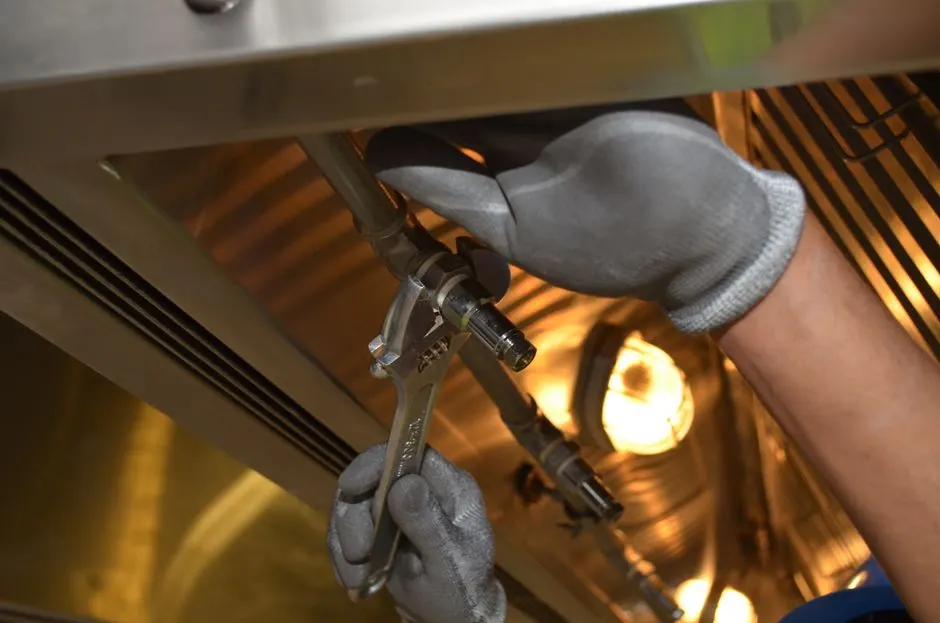
The best neighborhoods in Kent for repiping an older home are Kent East Hill, Kent West Hill, Scenic Hill, the Kent Valley floor near downtown, and the mid-century tracts along James Street and Kent-Kangley Road. Those areas hold most of the city's pre-1980 housing stock, and pre-1980 Kent homes are where galvanized steel and early polybutylene supply lines still fail most often. If your house was built before 1980 in any of those five areas, repiping is worth pricing now rather than after the third leak. Below we break down each neighborhood by build era and pipe material, then cover the 2026 cost to repipe a home in Kent WA, the signs that say you're overdue, and what a whole home repipe Kent Washington job actually looks like from the inside.
The Kent neighborhoods where repiping pays off first
Repiping is a category of plumbing work that replaces the water supply lines running through your walls, floors, and ceilings with new PEX or copper, usually because the originals have corroded, narrowed, or started leaking. It is not a patch job. It is the fix that ends the cycle of one small repair after another.
In Kent, the repipe conversation almost always starts with build year. Homes built before 1960 were commonly plumbed in galvanized steel, which rusts from the inside out and can lose half its interior diameter in 40 to 50 years. Homes built between 1978 and 1995 often used polybutylene, a gray or blue flexible plastic that was pulled from the market after a wave of class-action failures. Both materials are still in service all over Kent right now.
As a Plumber Kent WA homeowners call for both emergency work and planned upgrades, we see the same pattern every week: the older the neighborhood, the more of our repipe calendar it fills.
Which Kent WA neighborhoods have older pipes?
The Kent WA neighborhoods with the oldest pipes are East Hill, West Hill, Scenic Hill, the downtown Kent Valley core, and the James Street corridor. Each one has a different mix of build eras and pipe materials, which changes what a repipe looks like and how much it costs.
Here's the quick version:
- Kent East Hill - heaviest concentration of 1950s-1970s ramblers and split-levels, mostly galvanized steel and early copper.
- Kent West Hill - 1960s-1980s builds on smaller lots, mix of copper and polybutylene.
- Scenic Hill - 1940s-1960s homes, some of the oldest supply lines in the city.
- Kent Valley / downtown - older bungalows and small commercial-converted homes, frequent galvanized steel.
- James Street and Kent-Kangley corridors - mid-century tract housing, polybutylene common in the late-70s to mid-80s pockets.
If you're on the fence about whether your house qualifies, a Leak Detection and Repair Kent WA visit is the cheapest way to find out. We pressure-test the system, check water quality at multiple fixtures, and tell you straight whether you're looking at a repipe or a smaller fix.
Kent East Hill: the biggest concentration of repipe candidates
Kent East Hill has the highest number of repipe-ready homes in the city. The plateau was largely developed between the late 1940s and the mid-1970s, and most of those houses still have their original galvanized steel supply lines or first-generation copper.
Galvanized steel is the problem child. It rusts internally, and the rust flakes off into the water. By the time you're seeing brown water at the tap in the morning, the pipe walls are already thin enough that a pressure spike can split them. We've pulled sections of East Hill galvanized out of walls that were so choked with scale you could barely push a pencil through the opening.
Repiping older homes in Kent East Hill WA usually means a full supply-line replacement - hot and cold - plus new shutoff valves and fixture connections. Most of these homes are single-story or split-level with accessible crawlspaces or unfinished basements, which keeps the job cleaner and faster than a two-story with a finished lower level. A typical East Hill repipe runs two to four days on site.
Kent West Hill: smaller lots, tighter repipe jobs
Kent West Hill was built out mostly from the 1960s through the early 1980s, and that window matters. Homes from the late 1970s and early 1980s are the ones most likely to have polybutylene supply lines, which fail differently than galvanized steel.
Polybutylene doesn't rust. It gets brittle, and it fails at the fittings - often without warning. A pinhole leak behind a kitchen wall can soak insulation and drywall for weeks before you notice. We've walked into West Hill homes where the homeowner had already repaired three polybutylene leaks in two years and was ready to stop playing whack-a-mole.
Repiping older homes in Kent West Hill WA has its own quirks. Lots are smaller, houses are closer together, and many have finished basements or converted garages, so routing new PEX lines takes more planning than on East Hill. The upside: most West Hill homes are under 2,200 square feet, which keeps material costs down. Two to three days is typical.
How do I know if my Kent home needs repiping?
You need repiping if you're seeing any two of these signs at once: rusty or discolored water at the tap, low water pressure that's consistent across every fixture, visible corrosion or green/white crust on exposed pipes, frequent pinhole leaks, or a metallic taste in the water. One sign alone might be a single-fixture issue. Two or more usually means the whole system is at the end of its service life.
Here's what we tell homeowners to check:
- Water color first thing in the morning. Brown or yellow at the first tap of the day points to internal corrosion.
- Pressure test at multiple fixtures. If the kitchen, both bathrooms, and the laundry all run weak, the problem is in the supply lines, not the fixtures.
- Look at exposed pipe. In the basement, crawlspace, or under a sink, galvanized steel shows rust; polybutylene shows a gray or blue tint and brittle fittings.
- Count your repairs. More than two leak repairs in 18 months on the same system is a strong repipe signal.
If you're also hearing water run when nothing is on, that's a separate problem - usually a hidden leak. We handle that with water leak repair Kent WA before we ever quote a repipe, because there's no point replacing pipe around an active leak.
What a whole home repipe in Kent actually involves
A whole home repipe in Kent replaces every supply line in the house - hot and cold - from the main shutoff to each fixture. We run new PEX or copper through the same chases and wall cavities where the old pipe ran, tie in new shutoff valves at every fixture, and pressure-test the whole system before we close anything up.
What the job looks like day to day:
- Day 1: We map the existing system, protect floors and furniture, and start pulling old lines. Water is off for most of the day.
- Day 2-3: New PEX runs go in. We open small access points in drywall where needed and keep them as tight as possible.
- Final day: Fixtures reconnect, system pressure-tests at 100 PSI for an hour, and we walk the house with you before we leave.
PEX is the default for most Kent repipes in 2026. It's flexible, so it needs fewer fittings than copper - and fewer fittings means fewer potential leak points. Copper is still the right call in some homes, especially where the existing system is copper and the homeowner wants to match it. We quote both and let you decide.
If your repipe uncovers a failing main line to the street, we handle that too. That's Sewer Line Replacement Kent WA territory, and it's worth doing while the walls are already open rather than six months later.
Cost to repipe a home in Kent WA in 2026
Typical 2026 pricing to repipe a home in Kent WA runs $4,500 to $12,000 for a whole-house supply-line replacement, with most single-family homes landing between $6,000 and $9,000. The range is wide because square footage, stories, and access drive the labor.
What moves the number up or down:
- Square footage. Under 1,500 sq ft sits at the low end; 3,000+ sq ft pushes toward the top.
- Stories and finished space. A finished basement or second floor adds drywall work and time.
- Material. PEX is roughly 20-30% cheaper than copper on material and labor.
- Fixture count. Each additional bathroom adds a run and a shutoff.
- Access. Crawlspace or unfinished basement is faster; slab-on-grade is slower.
Drywall patching is usually included in the quote, but paint is not - plan on a separate painter if you want the walls finished to match. We give you a flat price before we start, not an hourly estimate that drifts.
What to watch out for before you hire anyone
The most common mistake we see in Kent is homeowners waiting until a pipe bursts to repipe. A burst supply line in a two-story East Hill home can cause $15,000 to $40,000 in water damage in under an hour, and most standard policies won't cover the repipe itself - only the damage. Replacing the pipe on your schedule is cheaper than replacing it on your insurance company's.
Other things to watch:
- Partial repipes sold as full repipes. If the quote only covers the hot side or only the accessible runs, you'll be back in the walls in two years.
- No pressure test at the end. A repipe without a documented pressure test is an unfinished job.
- Unlicensed labor. Washington requires a licensed plumber for supply-line work. Ask for the license before work starts.
- Verbal quotes. Get the price, scope, and material in writing before anyone cuts drywall.
If you're also due for a water heater, doing both at once saves a second mobilization. A Water Heater Installation Kent WA alongside a repipe is one of the most common combos we run on older Kent homes.
When to call a professional
Call a licensed plumber the moment you're seeing two or more repipe warning signs, or any time you find water where it shouldn't be. Small pinhole leaks in galvanized or polybutylene systems rarely stay small - they're a symptom, not the disease.
At Pacific Plumbing LLC, we've repiped homes across East Hill, West Hill, Scenic Hill, and the Kent Valley. We'll tell you honestly whether you need a full repipe or a targeted repair, and we'll give you a flat price before we start. If your system is still serviceable, we'll say so.
Frequently Asked Questions
Which Kent WA neighborhoods have older pipes?
Kent East Hill, Kent West Hill, Scenic Hill, the downtown Kent Valley core, and the James Street corridor have the oldest supply lines in the city. Most of that housing stock was built between the 1940s and the early 1980s, so galvanized steel and polybutylene are still common in those areas today.
How much does repiping cost in Kent WA?
In 2026, a whole-house repipe in Kent typically runs $4,500 to $12,000, with most single-family homes landing between $6,000 and $9,000. Square footage, stories, material choice (PEX vs. copper), and access all move the number. We quote a flat price before work begins.
How do I know if my Kent home needs repiping?
Two or more of these together usually means yes: rusty or discolored water, low pressure at every fixture, visible corrosion on exposed pipe, frequent pinhole leaks, or a metallic taste. A single symptom might be a fixture issue. Multiple symptoms point to the supply lines themselves.
Does repiping increase home value in Kent WA?
Yes, and it removes a common buyer objection. A documented repipe with new PEX or copper supply lines is a selling point in Kent's older neighborhoods, where buyers and inspectors specifically look for galvanized steel and polybutylene. It won't add $10,000 to your appraisal, but it can mean the difference between a clean inspection and a renegotiation.
How long does a repipe take?
Most Kent homes take two to four days on site. Single-story homes with crawlspace access sit at the fast end; two-story homes with finished basements sit at the slow end. Water is off for most of the first day, and we pressure-test the full system before we leave.
Get help with Plumbing Service in Kent
If your Kent home was built before 1980 and you're seeing rusty water, weak pressure, or repeat leaks, we'll come out, inspect the system, and tell you exactly what you're dealing with. No pressure, no upselling - just a straight answer and a flat price.
Call Pacific Plumbing LLC at (833) 453-9020 to schedule your repipe assessment.