How to prevent frozen pipes in Kent this winter
Kent winters drop below freezing often enough to burst unprotected pipes. Here is how to prevent frozen pipes in Kent WA before the first hard freeze hits.
The fastest way to prevent frozen pipes in Kent WA is to keep every exposed pipe above 32°F - insulate pipes in unheated spaces, drip faucets on exterior walls when overnight lows drop below 28°F, and seal the crawlspace vents and rim joists that let cold air reach your supply lines. Kent sits in the Green River Valley, where winter nights routinely hit the mid-20s and occasional Arctic outflows push lows into the teens, so unprotected pipes in crawlspaces, garages, and exterior walls are at real risk from November through March. This guide covers the exact steps we walk Kent homeowners through each fall, what to do when a pipe does freeze, and when a call to a plumber beats a DIY thaw.
Why pipes freeze in Kent more often than homeowners expect
Kent's winter weather is milder than the Midwest, but that is exactly why so many local homes have freeze problems - builders here did not design for sustained cold the way they do in colder climates. A typical Kent January brings overnight lows between 30°F and 35°F, with 10 to 15 nights dropping into the 20s and a handful hitting the teens during Fraser River outflow events. That is enough to freeze a pipe in an unheated crawlspace, an attached garage, or a north-facing exterior wall.
The housing stock makes it worse. Thousands of Kent homes were built between 1960 and 1995 in neighborhoods like Kent East Hill, Panther Lake, and the valley floor near the Green River. Many of those houses have uninsulated supply lines running through vented crawlspaces, hose bibs with no frost-free design, and exterior wall cavities that offer almost no thermal buffer. When the temperature drops and the wind picks up, those pipes are the first to go.
If you have ever dealt with a Pipe Repair Kent WA call in January, you already know the pattern: a pipe freezes overnight, thaws during the day, splits at a joint or elbow, and starts spraying water into a crawlspace or wall cavity. By the time you notice, the damage is done.
What temperature do pipes freeze in Kent Washington?
Water freezes at 32°F, but pipes in Kent Washington typically do not burst until the temperature has been below freezing for four to six hours, and the actual split usually happens when the pipe thaws, not when it freezes. The ice expands, the pipe cracks, and the water escapes once the ice melts and pressure returns.
Three factors decide whether your pipes freeze at 30°F or survive a night at 18°F:
- Wind exposure. A 15 mph wind against an exterior wall pulls heat out of the pipe far faster than still air at the same temperature.
- Pipe location. A supply line in a heated interior wall is safe at 20°F. The same pipe in a vented crawlspace is not.
- Insulation and heat trace. Bare copper loses heat quickly; foam-insulated PEX holds it much longer.
In practice, we tell Kent homeowners to treat any forecast below 28°F as a freeze-risk night and act accordingly. Below 24°F, unprotected pipes in crawlspaces and garages are in genuine danger.
How to prevent frozen pipes in Kent WA: the checklist that works
Frozen pipe prevention in Kent comes down to three things: keep the heat in, keep the water moving, and keep cold air out. Here is the checklist we run through with customers every November.
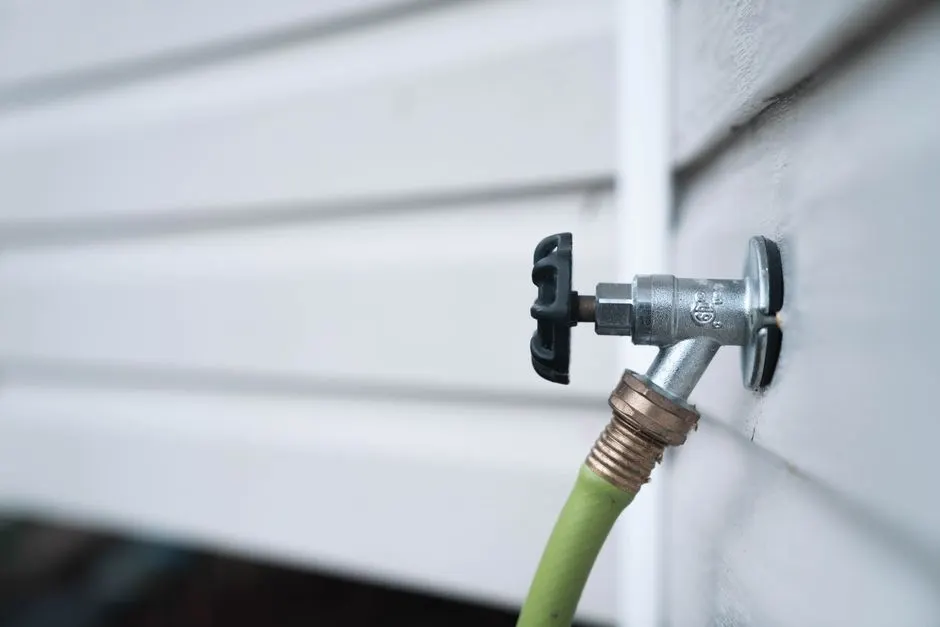
- Disconnect garden hoses and shut off exterior hose bibs. A hose left connected traps water in the bib and the line behind it. If you have a frost-free sillcock, disconnect the hose anyway - the vacuum breaker can still hold water.
- Insulate every accessible supply line in the crawlspace, garage, and attic. Use closed-cell foam pipe sleeves (the gray or black tubes) on copper, PEX, and CPVC. Pay extra attention to elbows, tees, and any pipe within 12 inches of a foundation vent.
- Seal foundation vents and rim joists. A vented crawlspace is fine in July and a liability in January. Cover vents with rigid foam board or vent covers rated for winter, and seal rim joist gaps with spray foam.
- Drip the faucets on exterior walls. A pencil-lead-thin stream on the kitchen sink, the bathroom furthest from the water heater, and any sink on an exterior wall keeps water moving and relieves pressure.
- Open cabinet doors under sinks on exterior walls. This lets warm room air reach the pipes. Do it before bed on any night forecast below 28°F.
- Keep the thermostat at 60°F or higher, day and night. If you are traveling, do not set it to 50°F. The few dollars you save on gas are nothing compared to a burst pipe repair.
- Add heat tape to the worst offenders. Self-regulating heat cable on the main supply line in an unheated crawlspace is cheap insurance. Plug it into a GFCI outlet and check it each fall.
If you are heading out of town for the holidays, the safest move is to shut off the main water valve and drain the system. We handle that for a lot of Kent homeowners before they fly out - it takes about 30 minutes and eliminates the risk entirely.
Should I drip my faucets in Kent WA winter?
Yes - drip your faucets in Kent WA winter any night the forecast low is 28°F or below, and use a stream about the width of a pencil lead. That is roughly one cup of water every few minutes, which costs a few cents overnight and is the single cheapest freeze-prevention step you can take.
Drip the faucet furthest from where the water main enters the house, plus any fixture on an exterior wall. If you have a two-story home, drip one upstairs and one downstairs. The goal is not to drain the system - it is to keep water moving through the pipes most exposed to cold and to give expanding ice somewhere to push.
Skip the drip if your pipes are already frozen. Running a faucet against a blocked line does nothing and can make the situation worse once the ice releases.
Insulate pipes for Kent WA winter: what actually helps
Insulating pipes for Kent WA winter is the highest-return project on this list, and it is a Saturday-morning job for most homeowners. Closed-cell foam pipe sleeves run about $1 to $3 per six-foot section at any Kent hardware store, and a full crawlspace typically takes 20 to 40 sleeves plus a can of spray foam for the gaps.
What works:
- Closed-cell foam sleeves on every accessible supply line, especially in crawlspaces and garages.
- Fiberglass pipe wrap for odd angles and valves where sleeves do not fit.
- Self-regulating heat cable on the main line and any pipe that has frozen before.
- Rim joist insulation and spray foam to stop cold air from pouring in at the top of the foundation.
What does not work: wrapping pipes in rags or towels. That traps moisture against the pipe and does almost nothing for heat retention. If a pipe has frozen in the same spot two winters in a row, insulation alone will not fix it - the pipe is in a bad location, and the long-term answer is rerouting or replacing it. That is a conversation worth having with a plumber before the next cold snap.
What to do if pipes freeze in Kent Washington
If pipes freeze in Kent Washington, the first move is to shut off the main water valve, then open the nearest faucet and thaw the pipe slowly with a hair dryer, heat gun on low, or wrapped towels soaked in hot water. Never use an open flame, and never pour boiling water directly on a frozen pipe - the thermal shock can crack it.
Work from the faucet end back toward the frozen section, not the other way around. As the ice melts, water and steam will escape through the open faucet, which tells you the thaw is working. If you cannot find the frozen section, or if the pipe is inside a wall or under a slab, stop and call us.
Once the pipe is thawed, watch for leaks for the next 24 hours. A pipe that froze and thawed has often split at a joint or elbow, and the leak may not show until the line is back under full pressure. If you see water where it should not be, shut the main off again and call for Leak Detection and Repair Kent WA - we can pinpoint the split without tearing out drywall.
Common mistakes that lead to a burst pipe in Kent
Burst pipe prevention in Kent is mostly about avoiding a handful of mistakes we see every winter.
- Leaving the thermostat too low while traveling. Anything below 60°F is a gamble in a Kent home with a vented crawlspace.
- Closing the crawlspace vents in summer and forgetting to reopen them. The reverse is also true - vents left open in January are the number-one cause of frozen supply lines we see.
- Insulating the pipe but not the rim joist. Cold air still reaches the pipe from the foundation side.
- Using a space heater in a crawlspace. This is a fire hazard and does not solve the underlying problem.
- Ignoring a pipe that froze last year. A pipe that froze once will freeze again. Fix the location, not just the symptom.
We also see a lot of damage from hose bibs that were never winterized. A $12 foam faucet cover from the hardware store prevents a repair that runs into the hundreds.
When to call a professional
Call a plumber when you cannot find the frozen section, when the pipe is inside a wall or under a slab, when you see water after a thaw, or when the same line has frozen more than once. Those are the situations where a DIY thaw turns into a flooded crawlspace.
At Pacific Plumbing LLC, we handle frozen pipe calls across Kent all winter - thawing lines, repairing splits, and rerouting pipes that were installed in bad locations to begin with. If your home has a history of freeze problems, we can walk the crawlspace with you and tell you exactly which lines need insulation, heat tape, or replacement before the next cold snap. We also handle the wider plumbing work that comes with an older Kent home, from Drain Cleaning Kent WA after a winter of slow drains to Water Heater Repair Kent WA when a cold snap stresses an aging tank.
Frequently Asked Questions
How do I keep my pipes from freezing in Kent WA?
Insulate exposed pipes in crawlspaces and garages, seal foundation vents and rim joists, drip faucets on exterior walls when lows hit 28°F, keep the thermostat at 60°F or higher, and disconnect garden hoses before the first freeze. These five steps prevent the vast majority of frozen pipe calls we see in Kent each winter.
What temperature do pipes freeze in Kent Washington?
Pipes freeze at 32°F, but in Kent Washington they typically burst after four to six hours below freezing, with the split usually appearing when the pipe thaws. Treat any forecast below 28°F as a freeze-risk night, and below 24°F as a genuine danger for unprotected crawlspace and garage lines.
Should I drip my faucets in Kent WA winter?
Yes - drip faucets on exterior walls any night the forecast low is 28°F or below. Use a stream about the width of a pencil lead, and drip the fixture furthest from where the water main enters the house. It costs a few cents overnight and is the cheapest freeze prevention available.
How do I thaw frozen pipes in Kent WA?
Shut off the main water valve, open the nearest faucet, and thaw the pipe slowly with a hair dryer or heat gun on low, working from the faucet end back toward the frozen section. Never use an open flame. If you cannot locate the frozen section or the pipe is inside a wall, call a plumber.
How much does frozen pipe repair cost in Kent?
Typical 2026 pricing in this area runs $250 to $600 for a straightforward thaw and repair on an accessible pipe, and $800 to $2,500 or more when the pipe is inside a wall or has caused water damage. Insulation and heat tape cost far less than either.
Get help with Plumbing Service in Kent
If a pipe has already frozen, if you have seen water where it should not be, or if you want a plumber to walk your crawlspace before the next cold snap, we are ready to help. Pacific Plumbing LLC serves homeowners across Kent with frozen pipe thawing, burst pipe repair, and winterization work all season.
Call (833) 453-9020 and we will get a technician out to your home.