Drain backs up every few weeks after snaking
We camera the line, confirm the buildup type, then hydro jet the full pipe wall at matched pressure. Most Kent homes we jet go 12 to 24 months before the next service instead of weeks.
Hydro Jetting Kent WA scours grease, soap scum, scale, and root mass off the full inside wall of your pipe, not just a hole through the middle. If your drain keeps backing up weeks after a snake, or you run a Kent restaurant on a grease-heavy line, we send a camera down first, jet the line at pressure matched to your pipe material, then verify the result on video before we pack up. Same-day and 24/7 emergency response across King County.
Tell us what is happening. Our local team will confirm your visit shortly.
Call Now (833) 453-9020 → No spam. No obligation. Just practical help.
Hydro Jetting Kent WA is a drain and sewer cleaning method that pushes water through a flexible hose at 1,500 to 4,000 PSI to strip buildup off the entire pipe wall. A rotating nozzle at the tip fires water backward and forward, cutting through grease, sludge, sand, and root hairs while the flow washes the debris toward the city main or your septic tank. It is not a snake with water added. A drain snake punches a channel; a hydro jetter restores the pipe's original inside diameter, which is why a 4-inch sewer line that backed up every 90 days can run years longer after one proper jetting.
Kent lines clog for reasons you can see from the street. Older homes around Downtown Kent and Scenic Hill still have cast iron and galvanized steel pipe that has roughed up inside after decades of service, and rough walls catch grease and paper like sandpaper. Willow trees and mature maples in Panther Lake and Meridian Valley push roots through joints every spring. Restaurants along Kent Valley and James Street run grease that hardens overnight. When you search for hydro jetting near me Kent, the honest answer is that the right fix depends on what is in the pipe, and that is why we camera first.
Every jetting call includes the diagnostic work that makes the result last. Here is what is standard on a Pacific Plumbing LLC hydro jetting service in Kent, WA, and what we quote separately if the camera turns up something bigger.
A video inspection camera goes down the line before any water moves. You see the clog, the pipe material, and any damage on the monitor. This 10 to 15 minute step is what lets us jet safely instead of guessing.
The hydro jetter runs the full length of the accessible line at pressure matched to your pipe, from 1,500 PSI on older cast iron pipe up to 4,000 PSI on sound PVC pipe. Grease, scale, and root hairs get flushed out, not just punched through.
We run the camera again and show you the same section of pipe, now clean. If a joint is rough or a root entry point remains, you see it and we note it for future monitoring. No 'trust me' on this job.
If we pulled a toilet to access the line, it goes back with a new wax ring. We check supply lines, shut-off valves, and the surrounding area for leaks before we call the job complete.
Floors wiped, debris bagged, tools out. Jetting is a wet job and we treat your home like we are working in our own. You should not be able to tell we were there except that the drain runs.
Based on what the camera showed, we tell you what schedule makes sense: annual jetting for a typical Kent home, quarterly for a grease-heavy commercial kitchen, or a repair quote if the pipe itself is failing.
We run a video inspection camera down the line before any water moves. In 10 to 15 minutes you see exactly what is in the pipe: grease, root intrusion in sewer line, scale, or a collapsed section. If the camera shows a broken or bellied pipe, jetting is the wrong call and we tell you that on the spot.
Cast iron pipe and galvanized steel pipe get lower pressure and a softer nozzle. PVC pipe and ABS pipe handle full pressure. We set the hydro jetter between 1,500 and 4,000 PSI based on what the camera showed, and we keep a plumber's auger on the truck for the rare line that needs mechanical clearing first.
The hose feeds in through an access point, often a cleanout or a pulled toilet. Water does the work. Most residential lines take 45 to 90 minutes; a long commercial grease line in Kent Valley can run two to three hours. You will hear the water and feel the line vibrate, and that is normal.
We run the camera again after jetting. You watch the same section of pipe that was clogged, now clean, and we point out anything that needs watching: a rough joint, a small offset, a root entry point. No guesswork, no 'it should be fine.'
We wipe down the work area, reset the toilet with a new wax ring if we pulled it, and check supply lines and shut-off valves while we are there. Then we tell you what schedule makes sense: annual jetting for a normal home, quarterly for a restaurant, or a sewer line repair if the camera found damage.
Purpose-built equipment, used by trained technicians — so the job is done accurately the first time.
The core machine. Variable pressure lets us match the setting to cast iron pipe, galvanized steel pipe, PVC pipe, or ABS pipe. Pressure is set based on the camera inspection, not by default.
Runs before and after every jetting job. Shows pipe material, clog type, root entry points, cracks, and offsets. You watch the screen with the technician.
Different nozzles for different jobs: cutting nozzles for root intrusion in sewer line, flushing nozzles for grease and sludge, and gentle nozzles for fragile older pipe.
Still on the truck. Some lines need mechanical clearing first, especially heavy root masses or a solid obstruction the jetter cannot push past. We use the right tool, not just the one we like.
Used when jetting reveals a possible leak or when a customer reports a water bill spike. Finds hidden leaks behind walls and under slabs without demolition.
For access work: pulling cleanout caps, opening a section for camera access, and resetting fixtures after jetting. Standard tools, done right.
When the camera shows a pipe that needs more than jetting, this is how we repair or replace a sewer line without tearing up the whole yard. Quoted separately if needed.
A Kent East Hill homeowner had snaked the kitchen line three times in 12 months. Each time it drained for a few weeks and backed up again. Camera showed heavy grease and soap scum coating the full inside of a 2-inch galvanized steel pipe.
We jetted the line at 2,000 PSI with a flushing nozzle, cleared the full pipe wall, and camera-verified. Flow returned to full capacity. Fourteen months later, no repeat backup.
A Kent Valley restaurant called at 5 p.m. on a Friday with a backed-up grease line during dinner service. The line had not been jetted in over two years, and the grease interceptor was near capacity.
We arrived within 90 minutes, jetted the line from the cleanout and interceptor, and camera-verified full flow. Service resumed the same evening. The owner signed up for quarterly maintenance.
A Panther Lake homeowner had a soggy patch in the yard and slow drains throughout the house. Camera showed root intrusion at a joint about 40 feet out, with roots filling roughly 60 percent of the pipe.
We jetted the roots out at full pressure, flushed the line, and re-cameraed. The joint was still structurally sound. The yard dried out over the following week, and the drain ran clear.
These are the calls we run most in Kent. Each one has a specific cause and a specific fix, and jetting is the right answer more often than not.
Ask a pro →We camera the line, confirm the buildup type, then hydro jet the full pipe wall at matched pressure. Most Kent homes we jet go 12 to 24 months before the next service instead of weeks.
We cut the roots with a high-pressure jetting nozzle, flush them out, and show you the joint on camera. If the joint is still sound, jetting plus an annual schedule keeps it clear. If it is failing, we quote a spot repair.
This is a main-line call. We jet from the cleanout, clear the full run, and camera-verify. For a root clogged pipe Kent WA homeowners deal with every spring, this is the fix that holds.
We camera the line to find the source, jet out the buildup causing the backup, and check the traps and vents. Most sewer gas complaints in Kent resolve after a proper main-line cleaning.
Most residential hydro jetting in Kent runs $350 to $750 in 2026, including the pre- and post-jetting camera inspection. Main sewer lines with heavy root intrusion or long runs can reach $900. Commercial grease lines in Kent Valley price higher because of access and line length. You get the number before we start, and it does not move.
Yes, when pressure is matched to the pipe material. We jet PVC pipe and ABS pipe at full pressure, and dial down for cast iron pipe or galvanized steel pipe. The camera inspection before we start confirms the pipe is sound. If we see a collapsed section or a failing joint, we stop and talk to you about sewer line repair instead of risking a break.
You need it when a drain backs up more than once in a season, when a snake only buys you a few weeks, when you smell sewer gas in the basement, or when multiple fixtures drain slow at the same time. Those are signs of full-pipe buildup, not a single blockage. Restaurants on grease-heavy lines should jet quarterly.
Pacific Plumbing LLC runs hydro jetting trucks out of Kent and covers Downtown Kent, Kent East Hill, Kent West Hill, Panther Lake, Covington, and the rest of King County. Call (833) 453-9020 and we will schedule a camera-first inspection, usually same day. Emergency calls get 24/7 dispatch.
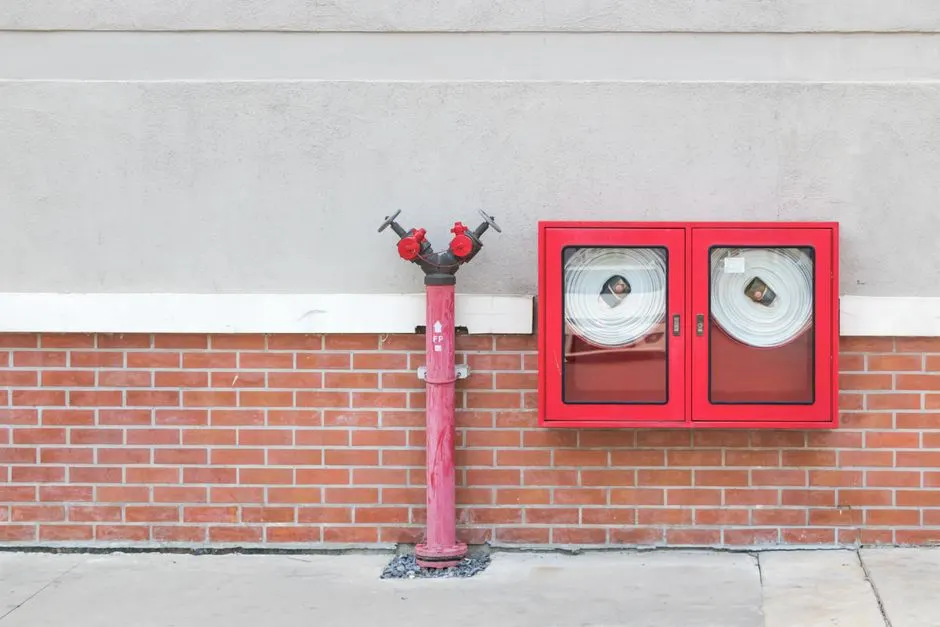 Emergency Plumbing ServicesWhen a sewer backs up into a Kent basement at 2 a.m., emergency service gets a technician to your door with a hydro jetter and camera on the truck. We stop the backup, clear the line, and tell you what caused it before we leave.Explore →
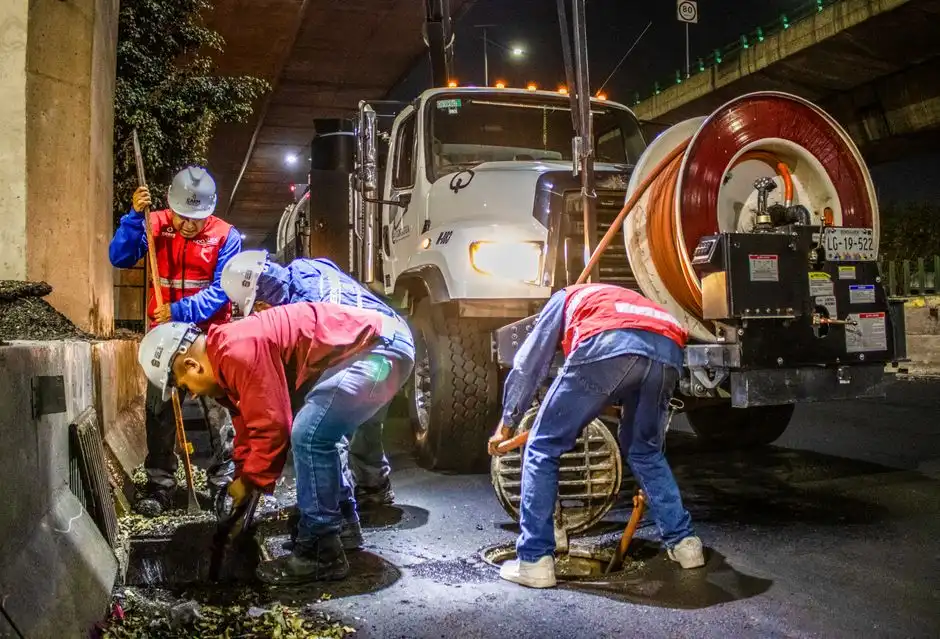 Drain CleaningDrain cleaning handles the everyday clogs: kitchen sinks, tubs, laundry lines. When a snake will not hold, we step up to hydro jetting to clear the full pipe wall. Most Kent drain calls are resolved in a single visit.Explore →
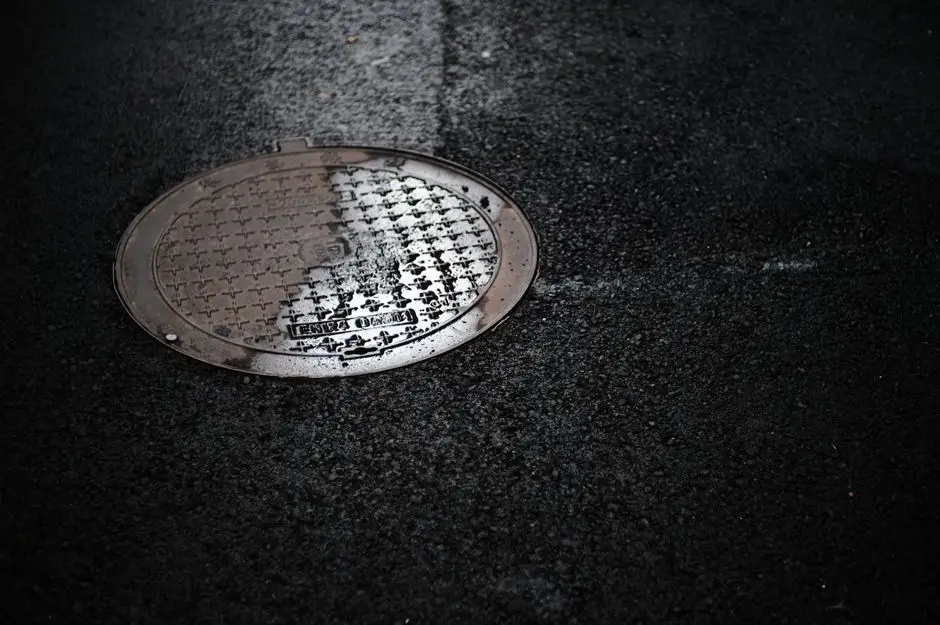 Sewer Line RepairIf the camera shows a cracked, offset, or root-damaged section after jetting, sewer line repair fixes the pipe itself. We spot-repair where possible, which keeps the cost down and the yard intact for Kent homeowners.Explore →
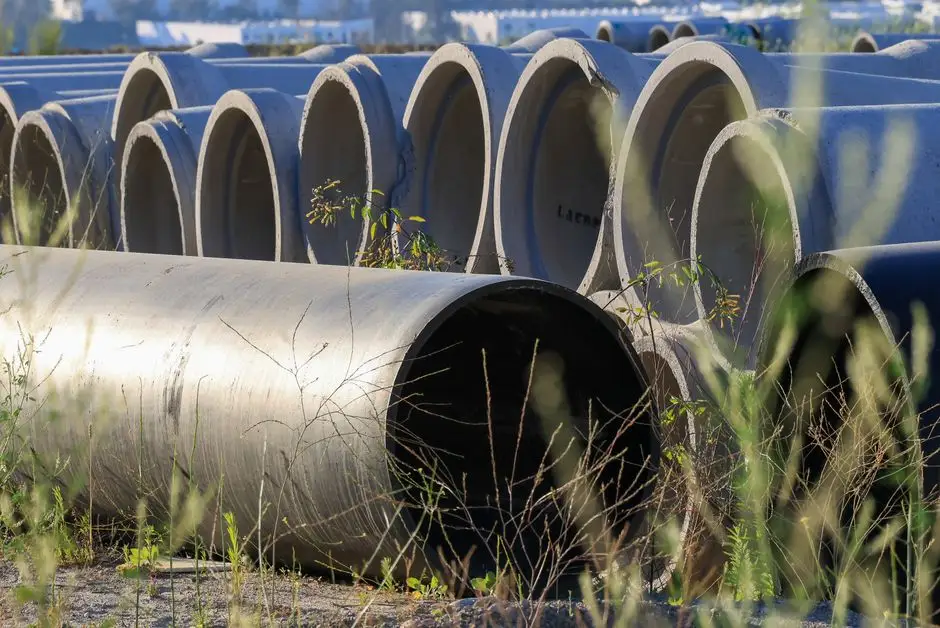 Sewer Line ReplacementCollapsed cast iron pipe under a 1950s Kent home sometimes cannot be repaired. Sewer line replacement, including trenchless pipe lining equipment options, restores flow without tearing up the whole yard. We walk you through both paths.Explore →
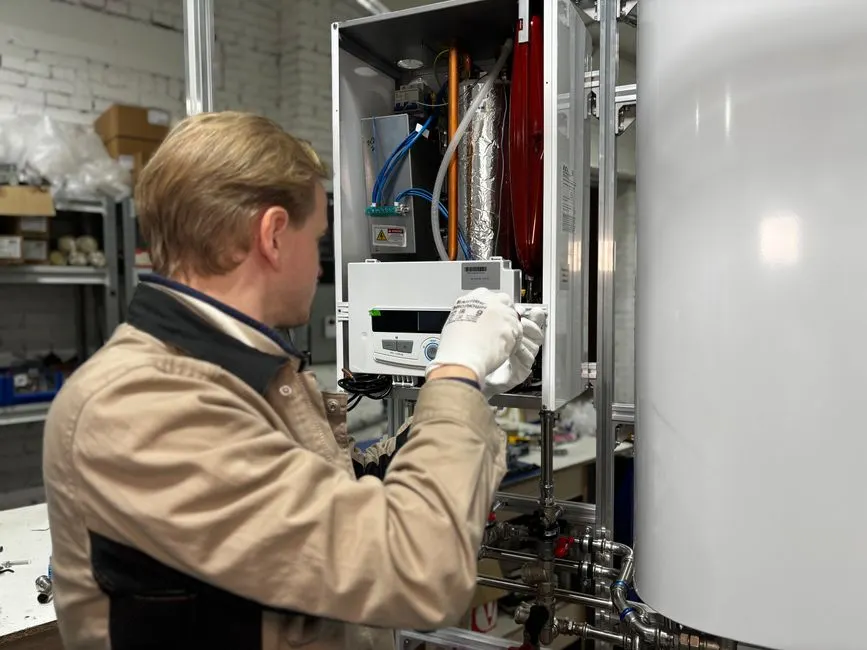 Water Heater RepairSediment buildup in water heater tanks is the same mineral scale that clogs pipes. If your Kent water heater is popping or running out of hot water, we diagnose and repair, often the same day as your drain call.Explore →
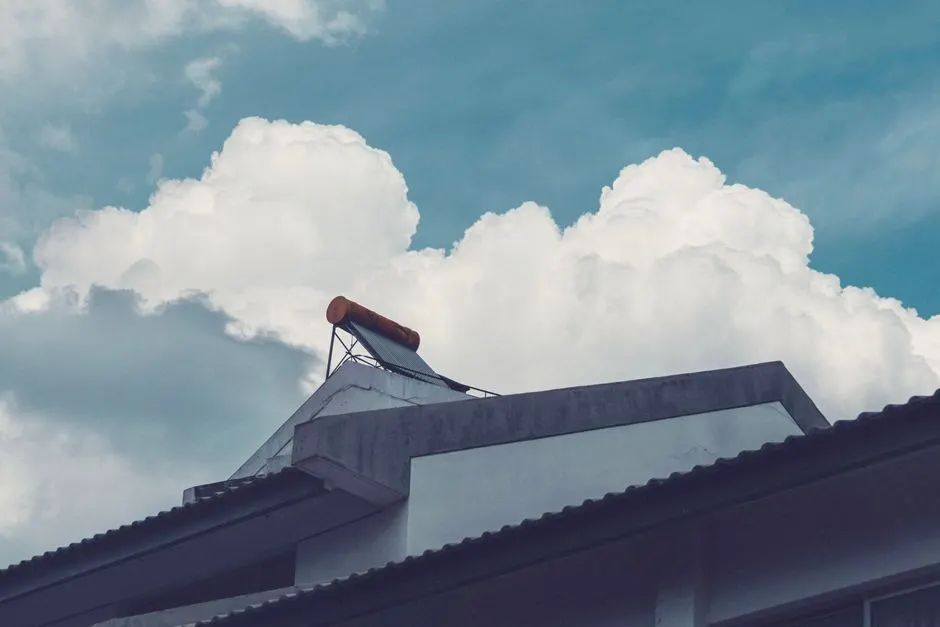 Water Heater InstallationWhen a tank fails, we install Rheem, AO Smith, and Bradford White units sized for your Kent home. Permits, code-correct venting, and haul-away of the old tank are part of the job.Explore →
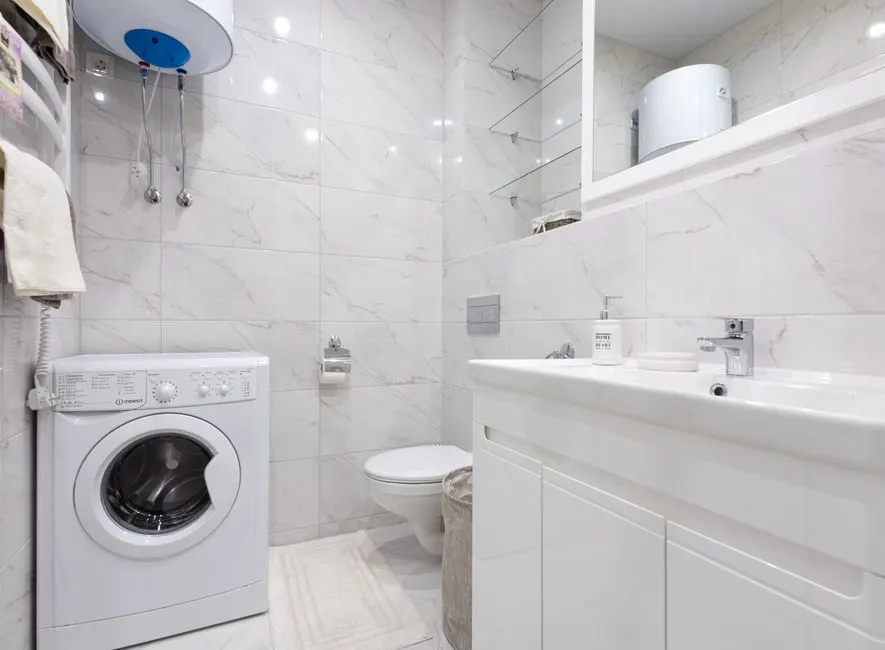 Tankless Water Heater ServicesNavien and Rinnai tankless units need periodic descaling, especially with Kent's water. We service, descale, and repair tankless systems, and we install new ones when you are ready to switch.Explore →
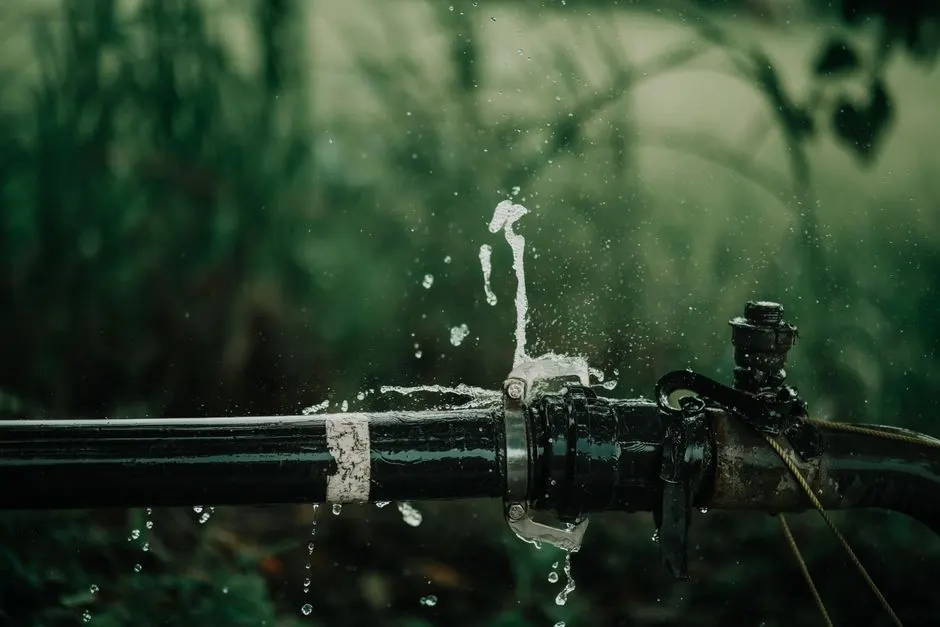 Leak Detection and RepairA leak detection microphone finds hidden leaks behind walls and under slabs without demolition. If your water bill jumped and nothing is visibly wet, this is the call to make before damage spreads.Explore →
Camera first, pressure matched to your pipe, video proof when we finish. Call Pacific Plumbing LLC at (833) 453-9020 for same-day hydro jetting service in Kent, WA, or to schedule an emergency call tonight. Licensed, insured, and working to Uniform Plumbing Code standards.
Schedule Hydro Jetting (833) 453-9020 →Reach us any hour at (833) 453-9020 for emergency service, or book a standard appointment during regular business hours. We answer live, not through a call center, and most non-emergency calls get scheduled the same day. If you're in Kent, Covington, or anywhere in King County, we're already in the neighborhood.